
Global markets are turning more cautious as US Treasury yields remain elevated and oil prices move back above US$100/bbl. The US 10Y yield has climbed to around 5.3%, while higher oil prices are reviving concerns over inflation and keeping expectations for easier monetary policy in check. Investors are also awaiting the latest Fed minutes for further clues on the rate path.
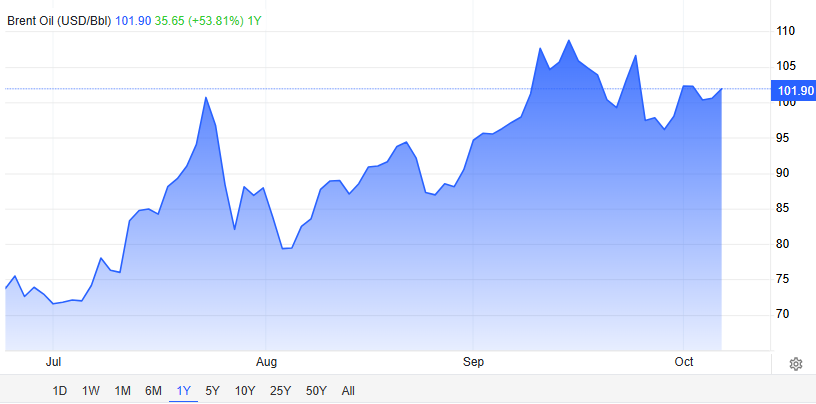
The combination of higher yields and elevated oil prices is particularly challenging for emerging markets. Higher US yields continue to support the dollar and reduce the relative attractiveness of EM assets, while higher oil prices could add to imported inflation pressures. This leaves markets more sensitive to capital flows and currency movements, especially as global liquidity remains tight.
For Indonesia, the pressure is already visible in the rupiah, which remains around Rp18,000/US$. On the positive side, FTSE Russell maintained Indonesia’s Secondary Emerging Market status and did not place the country on its Watch List, providing some relief to concerns over a potential downgrade. However, FTSE will continue to monitor market reforms, keeping the issue relevant ahead of its next review.
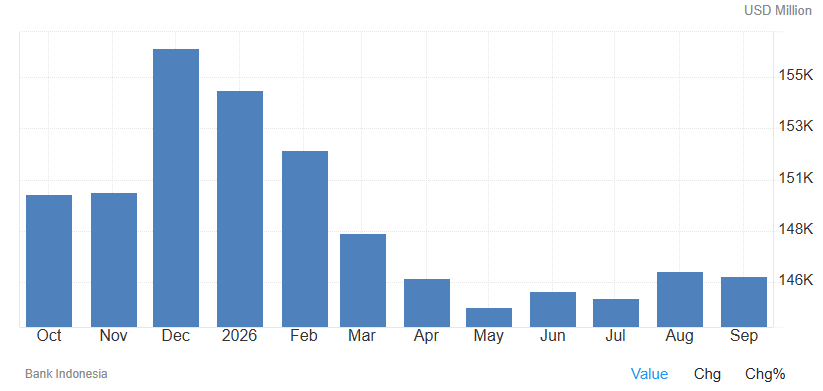
Meanwhile, Indonesia’s external buffer remains relatively strong. Foreign exchange reserves stood at US$146.3bn at end-September, broadly stable from US$146.5bn in August, equivalent to around 5.3 months of imports and well above the international adequacy standard. This provides some cushion for BI in managing rupiah volatility, although persistent global pressure means currency stability is likely to remain a key policy priority.
With domestic demand still relatively soft and external pressure remaining elevated, we expect BI to stay focused on currency stability. The domestic equity market may therefore remain volatile as investors balance higher global yields, rupiah weakness, and selective foreign flows. The FTSE decision should help ease some of the immediate sentiment pressure, while the resilient reserve position provides additional support, but the broader market is likely to remain selective rather than seeing a broad-based rerating.
In this macro condition, we still prefer selective commodity and export-oriented names with strong earnings visibility, while maintaining a more defensive stance toward domestic-demand plays. Higher commodity prices can provide a natural hedge against rupiah weakness, making companies with strong USD-linked revenues relatively more resilient.