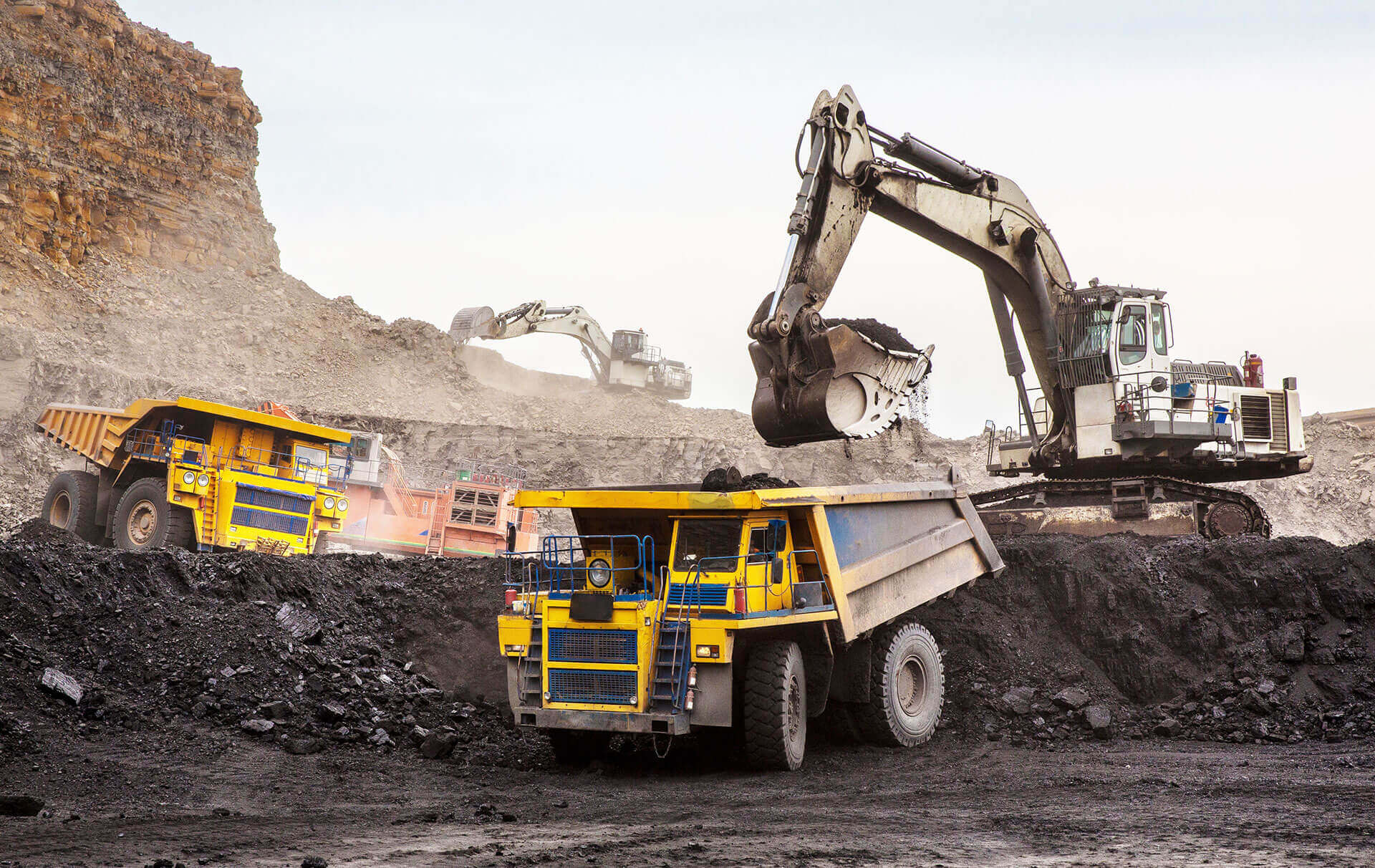
Amid global LNG supply disruptions, coal has once again emerged as the most practical and cost-effective energy alternative for Asian countries. The Iran–US conflict has tightened LNG availability across both Europe and Asia after disruptions at the Strait of Hormuz and damage to Qatar’s Ras Laffan LNG facility removed a meaningful portion of global supply. As LNG prices continue to surge, coal switching economics have improved significantly, particularly for price-sensitive markets such as China and India. Countries including Japan, South Korea, and Taiwan have also started extending coal contracts and rebuilding strategic inventories to secure energy supply.
.png)
Coal prices could become a key factor supporting Indonesia’s macroeconomic stability in 2026, particularly amid the risk of a prolonged global energy shock driven by geopolitical tensions in the Middle East. As a net commodity exporter, Indonesia stands to benefit if higher energy prices continue to lift coal, CPO, and nickel prices, creating a broader commodity upcycle.
.png)
On the domestic side, the market also faces additional risks from a potential El Niño in 2H26, which could both increase electricity demand and disrupt Indonesia’s coal logistics through lower river levels along the Mahakam and Barito routes. This comes as the market is already operating under tight supply conditions following the reduction of Indonesia’s 2026 RKAB quota to 600 million tons, down significantly from around 778 million tons previously.
The combination of tighter supply, elevated oil prices, and potential higher DMO obligations continues to support higher coal prices. In this environment, low-cost producers remain best positioned. Adaro Andalan Indonesia Tbk (AADI) stands out due to its efficient cost structure, stable volumes, and strong cash generation, although policy risks such as higher royalties and windfall taxes remain key factors to monitor.