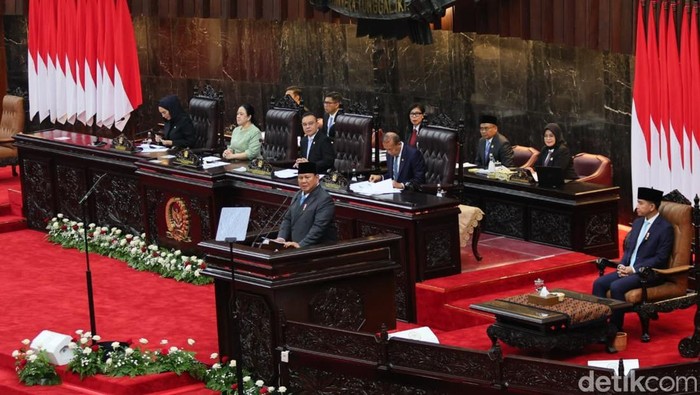
President Prabowo Subianto has confirmed plans to establish a new state-owned entity to centralize Indonesia’s strategic commodity exports, initially covering coal and CPO, with gradual implementation beginning in June 2026. The policy aims to strengthen export oversight and domestic supply security through SOE involvement, without fully taking over private export activities.
The main objectives of the policy are to combat illegal exports, reduce transfer pricing practices, and improve export data transparency. During the initial transition phase (Jun–Aug 2026), companies will still be allowed to export as usual, although transaction processes will gradually involve SOEs. Starting from September 2026, export contracts, documentation, and payment processes are expected to become more integrated through designated SOEs, although the first year of implementation is reportedly still focused on supervision rather than full operational control over private exporters.
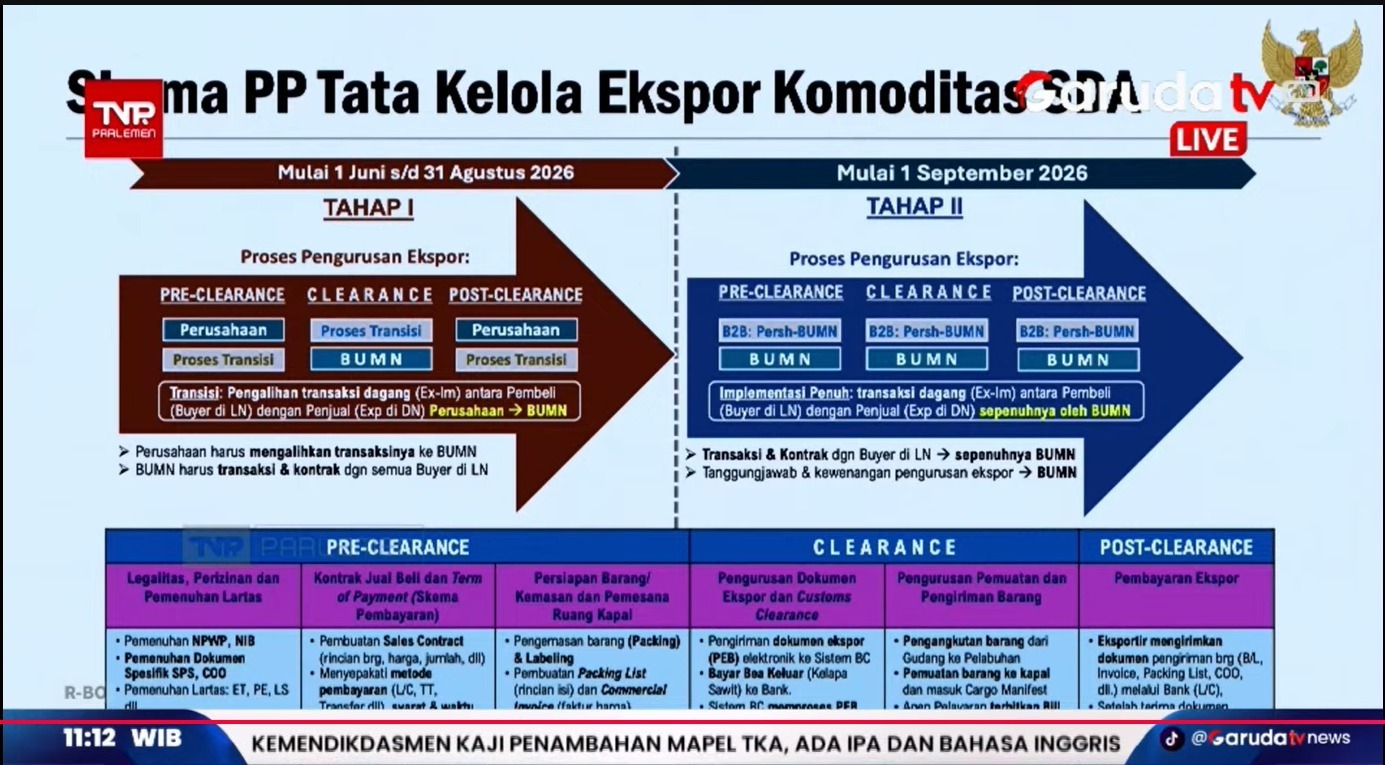
If executed effectively, the policy could become a structurally positive catalyst for the rupiah, as a larger portion of export proceeds and U.S. dollar liquidity would remain within the domestic financial system. Higher foreign exchange reserves could help stabilize — or even strengthen — the rupiah, while also reducing Bank Indonesia’s need to issue SVBI, thereby lowering the interest costs required to attract dollar inflows. In addition, the policy could strengthen Indonesia’s position as a price maker for strategic commodities, particularly during periods of rupiah weakness, allowing the country to capture greater value-added benefits from natural resource exports.
Otherwise, if not implemented properly, the policy could raise concerns over greater government intervention in export mechanisms and commodity pricing. Requiring all export transactions to go through SOEs may create more complex bureaucracy, reduce business flexibility, weaken Indonesia’s competitiveness in global markets, and potentially lead to margin contraction risks for coal issuers.