
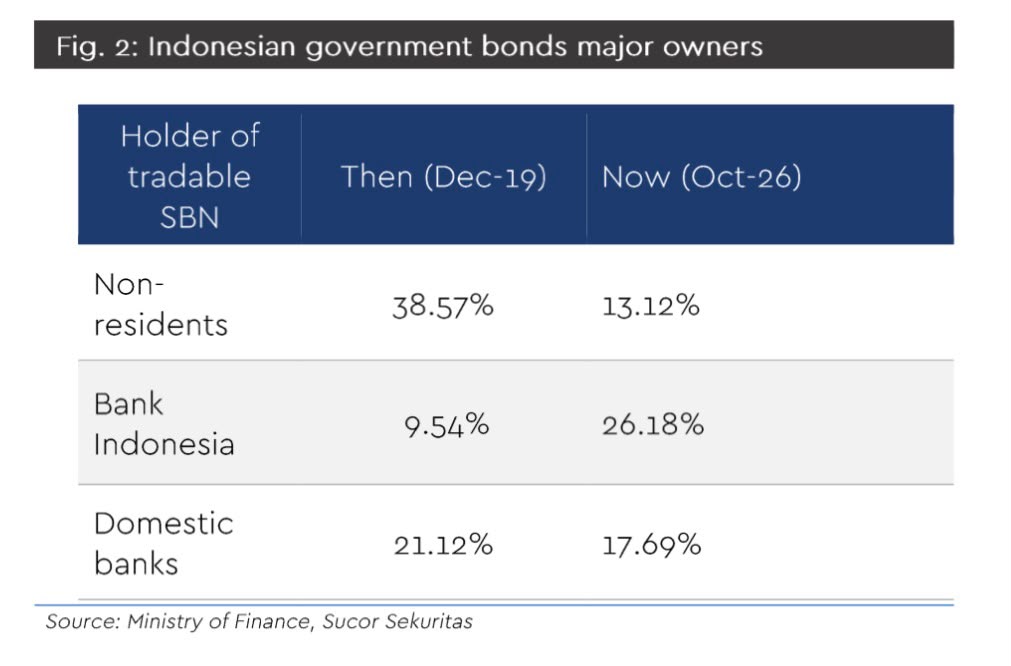
Bonds are telling a calmer story than stocks. The 10Y SBN yield rose only modestly after MSCI’s announcement, even as US Treasury yields fell, suggesting a limited Indonesia-specific risk premium rather than a broader global rates move. Three factors have helped contain the reaction: the MSCI decision does not directly affect bond indices, foreign ownership of SBNs is already relatively low, and Bank Indonesia (BI) has been stepping in as a buyer. However, this intervention also means yields may partly reflect policy actions rather than underlying market sentiment. We therefore look to CDS spreads, auction demand, foreign reserves, and the rupiah to assess stress, rather than relying on the 10Y yield alone.
The 1998 comparison does not hold up well. That crisis was driven by a managed currency, heavy unhedged short-term dollar borrowing by corporates, fragile banks, and insufficient reserves to defend the rupiah. While Indonesia’s vulnerabilities have evolved since then, these risks do not appear in the same combination or scale today. Argentina’s experience of capital controls, runaway inflation, and default also appears less relevant, given Indonesia’s steady growth, contained fiscal deficit, and inflation within the target range. MSCI’s concerns instead center on free float, ownership transparency, and governance—market-structure issues that regulators could address before the June 2027 decision.
Buffers are thinner, however, and that warrants attention. Foreign reserves have declined this year while the current account deficit has widened. BI held its policy rate at 5.75%, below market expectations, while raising the deposit facility rate and strengthening hedging incentives to attract foreign inflows and support the rupiah. With the yield spread against US Treasuries narrowing, BI’s room to ease remains limited. The key risk is a loss of confidence in policymaking spilling over from equities into the broader financial market. For now, we see a sentiment shock rather than a solvency problem. We favor short-to-medium-duration bonds, gradual accumulation, and waiting for a credible reform package ahead of the April 2027 feedback deadline before extending duration into the long end.
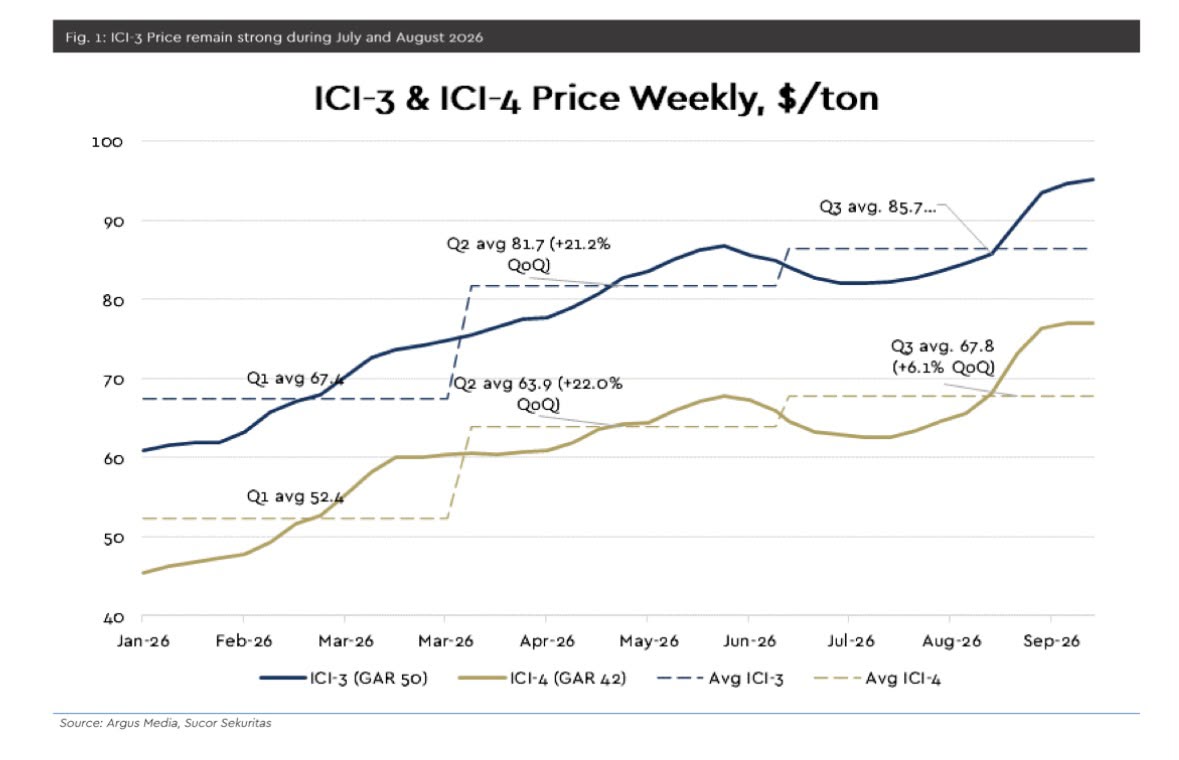
AADI is our standout US dollar earner. Thermal coal prices have rallied well above our model assumptions, tilting earnings risks to the upside. Given its low cost base, much of the additional revenue should flow through to profits. The stock also looks attractively valued relative to its earnings power, supported by a net-cash balance sheet and solid returns on equity. The Kestrel sale provides an additional cash cushion that could support a sizeable shareholder payout, although we treat this as potential upside until management provides further confirmation. We maintain our BUY rating with view recent share price weakness as an opportunity to build a position.