
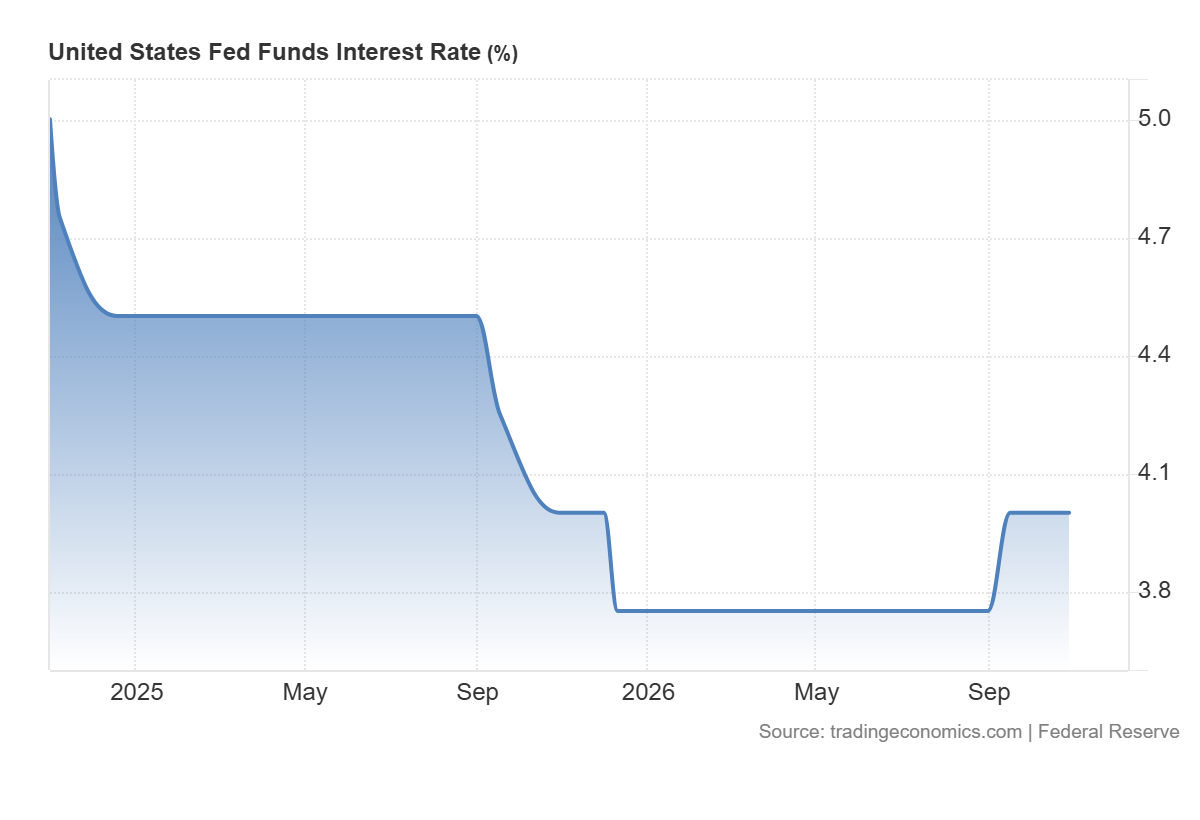
Global financial conditions remain challenging as the Federal Reserve held its policy rate at 3.75–4.00%, maintaining its focus on containing inflation without providing a clear signal on its December decision. Persistent inflation risks may keep global yields elevated and limit the scope for monetary easing, influencing investor sentiment toward emerging-market assets.
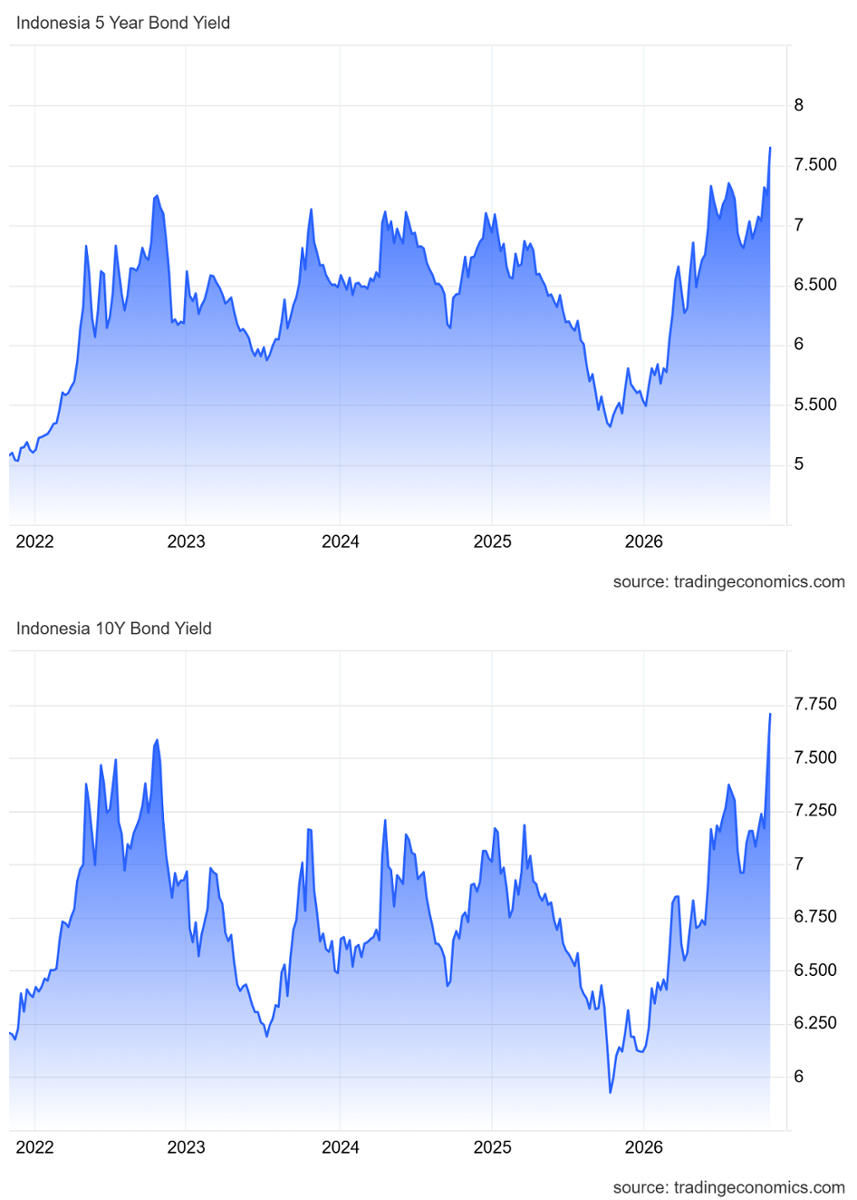
Domestically, Indonesia’s 10-year government bond yield has climbed to its highest level since 2022, while the 5-year yield is approaching its 2020 peak. These movements reflect pressure across domestic financial markets, alongside rupiah weakness and ongoing uncertainty surrounding MSCI’s proposed reclassification of Indonesia. Market direction will continue to depend on currency stability, bond yields, and foreign investor flows.
At the company level, ISAT’s third-quarter performance was affected by additional spectrum costs, one-off expenses, and fiber leasing costs as the company began utilizing leased fiber infrastructure. ARPU remained flat QoQ, while subscribers declined 2% QoQ. The development of Lintasarta has been pushed to December, making it a key milestone to monitor as ISAT continues to invest in its network infrastructure.
We favor a selective approach, focusing on companies with resilient earnings, sound balance sheets, and valuations that offer reasonable entry points. For ISAT, subscriber trends, cost developments, and progress on Lintasarta will be important factors to watch in the coming quarters. Across the broader market, a more sustained recovery will depend on greater stability in the rupiah, government bond yields, and foreign fund flows.