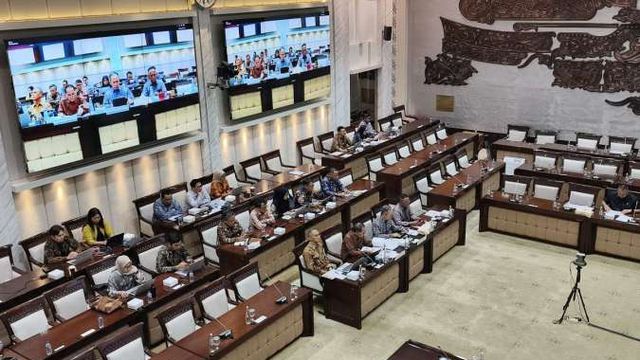
Indonesia’s commodity exchange is moving from an idea to implementation. After DPR approved Sarjito as OJK’s executive head overseeing the Strategic Minerals and Commodities Exchange last week, the regulatory framework is taking shape, with the exchange targeted to start operations on 1 January 2027. Nickel, coal and CPO are expected to be among the initial commodities.
The ambition goes beyond creating another trading venue. The government wants to establish domestic reference prices and improve price discovery, while making commodity transactions more transparent. For a country that dominates the supply of several key commodities, this could give Indonesia a stronger role in how its commodities are priced.
Nickel is a good example. Indonesia accounted for around 67% of global nickel mine production in 2025, yet the LME remains the main global benchmark. A domestic exchange could provide an additional platform for price discovery that better reflects Indonesian supply and demand. MBMA stands out as a relevant listed nickel name, given its integrated mining and processing operations.
.png)
Supply dominance, however, does not automatically translate into pricing power. The key will be whether the exchange can build enough liquidity and participation from miners, smelters, traders and buyers. If it does, Indonesia could gradually turn its commodity supply advantage into greater influence over how its commodities are priced.