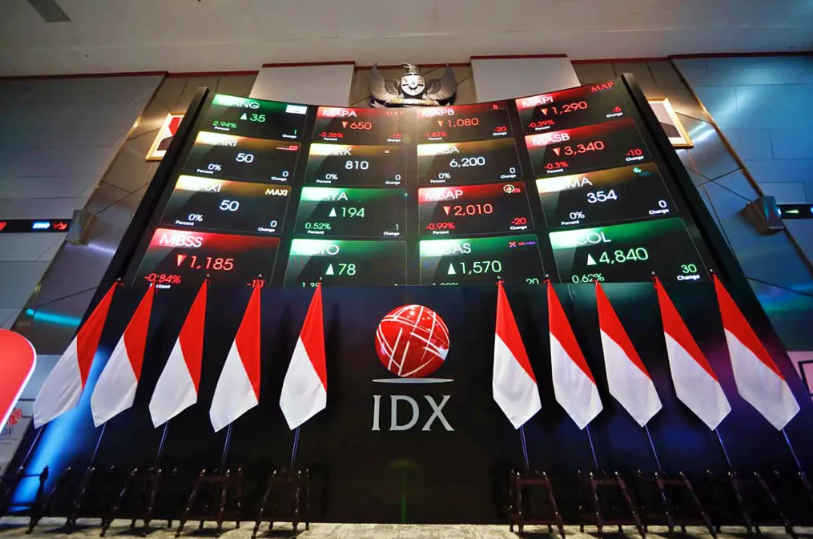
Indonesian market is expected to extend its recent gains as easing geopolitical tensions between the U.S. and Iran continue to support risk sentiment. Optimism surrounding a potential peace agreement has raised expectations for the reopening of shipping routes through the Strait of Hormuz, triggering a sharp decline in global oil prices. Brent crude has fallen below US$80/bbl for the first time in three months, while Goldman Sachs expects Persian Gulf exports to return to pre-conflict levels by the end of July, earlier than previously anticipated. Lower oil prices are generally positive for Indonesia, given its status as a net oil importer.
.png)
From a macroeconomic perspective, declining oil prices could provide meaningful support to Indonesia's fiscal and external balances. Lower energy costs would reduce the government's subsidy burden, creating additional fiscal space for priority spending programs. At the same time, cheaper oil imports could help improve the trade balance and current account position, while reducing demand for U.S. dollars related to energy imports. These developments should provide support for the rupiah and help ease inflationary pressures going forward.
The improving macro backdrop also strengthens the case for Bank Indonesia to maintain its current policy stance during the upcoming June 17–18 policy meeting. With geopolitical risks easing and inflation pressures expected to moderate, the urgency for further monetary tightening has diminished. Should global oil prices remain contained and rupiah stability improve, the possibility of policy easing could gradually emerge in the coming quarters.
Despite the improving sentiment, investors should remain cautious ahead of two important MSCI events: the 2026 Global Market Accessibility Review (June 18) and the 2026 Annual Market Classification Review (June 23). The most likely outcome remains Indonesia retaining its Emerging Market status, supported by ongoing reform efforts related to market accessibility, disclosure standards, and free float improvements. However, the possibility of being placed under formal review cannot be ruled out and may continue to create uncertainty for foreign investors. While a frontier market demotion remains a low-probability scenario, it would represent the most negative outcome due to the risk of significant passive outflows.